The Truth About Red Yeast Rice: Comprehensive Insights on Its Benefits and Risks
Discover the benefits and risks of red yeast rice for cholesterol management. Learn how it works and who should consider using it.
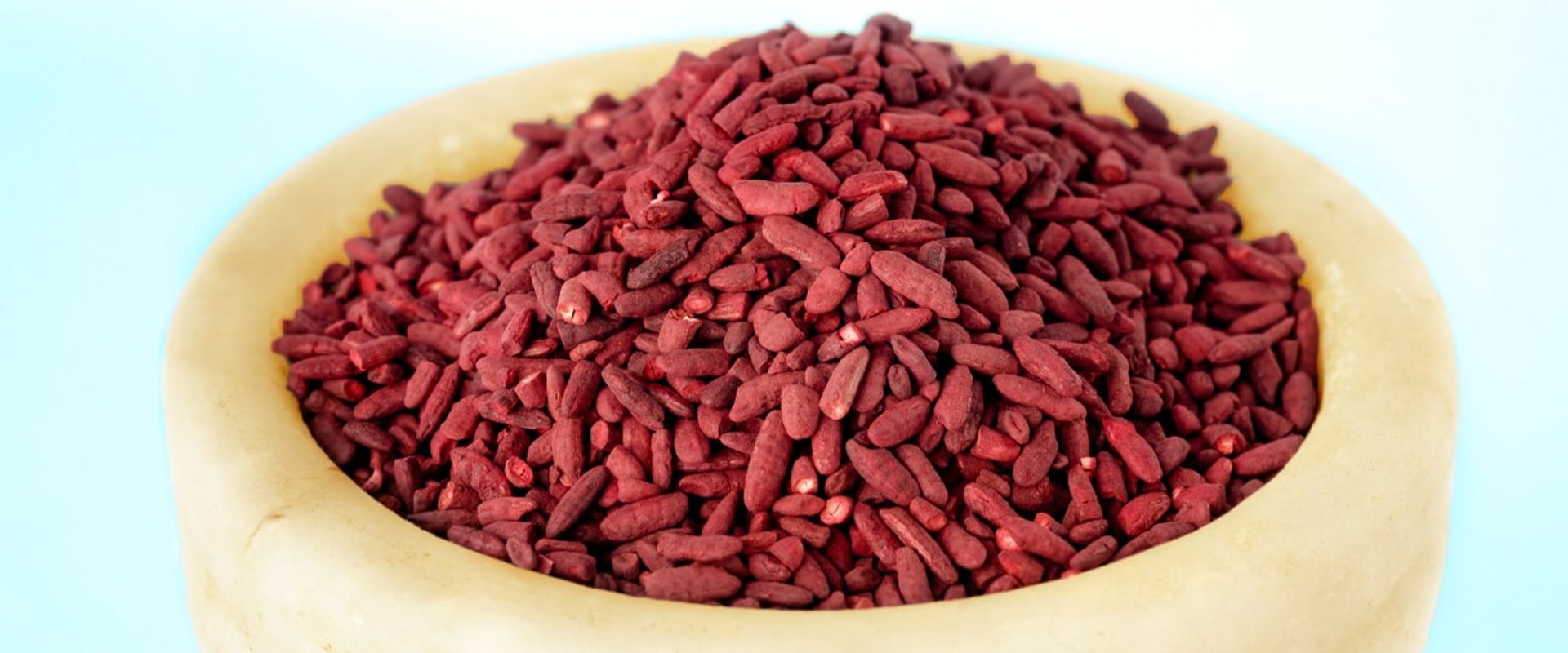
Red yeast rice is a traditional Chinese food and medicinal product that has been utilized for centuries. It is made by fermenting rice with a specific type of mold called Monascus purpureus. This fermentation process not only gives the rice its distinctive red color but also enhances its nutritional profile, making it a valuable addition to various dishes in Asian cuisine. Historically, red yeast rice has been used in Chinese medicine to improve digestion, promote blood circulation, and support overall health. The origins of red yeast rice can be traced back to ancient China, where it was often referred to as "red rice" or "red fermented rice." It was commonly used as a natural food coloring agent and flavor enhancer in cooking.
Over time, its health benefits became more recognized, leading to its incorporation into traditional remedies for ailments such as high cholesterol and digestive issues. Today, red yeast rice is gaining popularity in Western countries as a dietary supplement, particularly among those seeking natural alternatives to manage cholesterol levels. In terms of its uses, red yeast rice is primarily known for its potential cholesterol-lowering effects. The key active compound found in red yeast rice is monacolin K, which is chemically identical to the active ingredient in the prescription medication lovastatin. This similarity has led many to explore red yeast rice as a natural option for managing cholesterol without the side effects often associated with pharmaceutical statins.
Additionally, red yeast rice is believed to possess antioxidant properties and may contribute to heart health by improving lipid profiles. As interest in natural health solutions continues to grow, understanding the history and traditional uses of red yeast rice provides essential context for evaluating its potential benefits. While it offers promising advantages, it is crucial to approach this supplement with informed caution and awareness of its possible risks and interactions.
The Nutritional Profile of Red Yeast Rice
Red yeast rice is not just a supplement; it is a complex food product with a rich nutritional profile that has been utilized in traditional Chinese medicine for centuries. Understanding its components can shed light on the potential health benefits of red yeast rice. At the heart of red yeast rice's efficacy is a group of compounds known as monacolins. The most notable among these is monacolin K , which is chemically identical to the active ingredient in the prescription drug lovastatin.This compound is primarily responsible for red yeast rice's ability to help manage cholesterol levels. Research indicates that monacolin K can inhibit the enzyme HMG-CoA reductase, which plays a crucial role in cholesterol synthesis in the liver. In addition to monacolin K, red yeast rice contains several other beneficial components:
- Polysaccharides: These complex carbohydrates may support immune function and have antioxidant properties.
- Unsaturated fatty acids: These healthy fats can contribute to heart health by improving lipid profiles.
- Plant sterols: Similar in structure to cholesterol, plant sterols can help block the absorption of dietary cholesterol in the intestines.
- Isoflavones: These compounds are known for their antioxidant effects and may help reduce inflammation.
As research continues to evolve, understanding these elements will be crucial for those considering incorporating red yeast rice into their health regimen.
Health Benefits of Red Yeast Rice
Red yeast rice, a traditional Chinese dietary staple, has garnered attention in recent years for its potential health benefits, particularly in the realm of cardiovascular health. This fermented rice product contains several bioactive compounds, with monacolin K being the most notable due to its cholesterol-lowering properties. One of the primary benefits of red yeast rice is its ability to help manage cholesterol levels. Research indicates that monacolin K functions similarly to statin medications, which are commonly prescribed to lower cholesterol. By inhibiting the enzyme HMG-CoA reductase, monacolin K can effectively reduce levels of low-density lipoprotein (LDL) cholesterol, often referred to as "bad" cholesterol.This reduction is crucial for individuals at risk of heart disease, as high LDL levels are associated with an increased risk of atherosclerosis and other cardiovascular conditions. In addition to lowering LDL cholesterol, red yeast rice may also contribute to an overall improvement in heart health. Studies have shown that regular consumption can lead to:
- Improved lipid profiles: Alongside lowering LDL cholesterol, red yeast rice may help increase high-density lipoprotein (HDL) cholesterol, known as "good" cholesterol, which plays a protective role against heart disease.
- Reduced triglycerides: Some research suggests that red yeast rice can also lower triglyceride levels, further contributing to cardiovascular health.
- Anti-inflammatory effects: The antioxidants present in red yeast rice may help reduce inflammation in the body, which is a significant factor in heart disease.
Consulting with a healthcare provider before starting any new supplement regimen is crucial for ensuring safety and efficacy.
Scientific Research on Red Yeast Rice
Numerous scientific studies and clinical trials have been conducted to evaluate the effectiveness and safety of red yeast rice as a dietary supplement. These investigations primarily focus on its ability to lower cholesterol levels and its potential side effects. One of the most significant studies published in the American Journal of Cardiology examined the effects of red yeast rice on patients with high cholesterol. The randomized, double-blind trial involved over 100 participants who were given either red yeast rice or a placebo for 12 weeks. The results indicated that those taking red yeast rice experienced a notable reduction in total cholesterol and low-density lipoprotein (LDL) cholesterol levels compared to the placebo group.This study supports the notion that red yeast rice can be an effective natural alternative for managing cholesterol levels. Another important clinical trial published in the Journal of Clinical Lipidology assessed the long-term effects of red yeast rice supplementation. Participants who took red yeast rice for six months showed sustained improvements in their lipid profiles, with many reporting fewer side effects than those associated with traditional statin medications. This suggests that red yeast rice may offer a viable option for individuals who are intolerant to statins. However, not all studies have yielded positive results. A meta-analysis published in The Cochrane Database of Systematic Reviews highlighted variability in the quality of red yeast rice products and their active ingredients, particularly monacolin K.
The analysis pointed out that some products contained insufficient amounts of this active compound, leading to inconsistent outcomes across different studies. This inconsistency raises concerns about the reliability of red yeast rice as a standardized treatment. Moreover, safety concerns have also been documented. Some research indicates that certain red yeast rice products may contain harmful contaminants, such as citrinin, which can pose risks to kidney health. A study published in The Journal of Toxicology emphasized the importance of sourcing red yeast rice from reputable manufacturers to minimize exposure to such toxins. In conclusion, while there is promising evidence supporting the benefits of red yeast rice for cholesterol management, it is essential to approach its use with caution.
Individuals considering this supplement should consult healthcare professionals and rely on high-quality products to ensure both efficacy and safety.
Potential Risks and Side Effects
While red yeast rice is often touted for its potential benefits in managing cholesterol levels, it is essential to be aware of the potential risks and side effects associated with its use. Understanding these factors can help individuals make informed decisions about incorporating this supplement into their health regimen.Common Side Effects
Some users of red yeast rice may experience side effects similar to those associated with statin medications. These can include:- Muscle pain or weakness: Known as myopathy, this condition can range from mild discomfort to severe pain, and in rare cases, it may lead to rhabdomyolysis, a serious condition that can cause kidney damage.
- Digestive issues: Some individuals report gastrointestinal problems such as bloating, gas, or diarrhea after taking red yeast rice.
- Headaches: Frequent headaches have been noted by some users, which may be attributed to the active compounds in red yeast rice.
- Liver damage: There is a risk of liver enzyme elevation, which can indicate liver damage. Regular monitoring of liver function is advisable for those taking red yeast rice.
Interactions with Medications
Red yeast rice can interact with various medications, potentially leading to adverse effects.It is crucial to consult with a healthcare provider before starting this supplement, especially if you are taking:
- Statins: Combining red yeast rice with prescription statins can increase the risk of muscle-related side effects and liver damage.
- Certain antibiotics: Some antibiotics may enhance the effects of red yeast rice, leading to an increased risk of side effects.
- Blood thinners: Red yeast rice may have anticoagulant properties, which could amplify the effects of blood-thinning medications and increase the risk of bleeding.
Contaminants and Quality Control
A significant concern regarding red yeast rice supplements is the potential presence of contaminants. Some products have been found to contain citrinin, a toxic compound that can harm the kidneys. To mitigate this risk, it is vital to:- Select reputable brands: Choose products from manufacturers that adhere to strict quality control standards and provide third-party testing results.
- Avoid unregulated sources: Purchasing red yeast rice from unverified suppliers increases the likelihood of contamination and inconsistent dosages.
Who Should Consider Taking Red Yeast Rice?
Red yeast rice has garnered attention for its potential health benefits, particularly in managing cholesterol levels.However, it is essential to identify who might benefit from this supplement and who should exercise caution or avoid it altogether.
Individuals Who May Benefit from Red Yeast Rice
- Those with High Cholesterol: Individuals diagnosed with high cholesterol levels may find red yeast rice beneficial as it contains monacolin K, a compound that can help lower LDL (bad) cholesterol. This can be particularly useful for those seeking natural alternatives to statin medications.
- People Seeking Natural Remedies: For those who prefer natural supplements over pharmaceuticals, red yeast rice offers a traditional option that has been used for centuries in Chinese medicine.
- Individuals with a Family History of Heart Disease: If heart disease runs in your family, incorporating red yeast rice into your health regimen may provide additional support in managing cholesterol levels and promoting heart health.
Contraindications for Red Yeast Rice
- Pregnant or Breastfeeding Women: There is insufficient research on the safety of red yeast rice during pregnancy and lactation. Therefore, it is advisable for women in these categories to avoid this supplement.
- Individuals with Liver Disease: Since red yeast rice can affect liver function, those with existing liver conditions should refrain from using it without medical supervision.
- People Taking Certain Medications: Red yeast rice may interact with various medications, particularly those that affect cholesterol levels or liver function. It is crucial to consult a healthcare provider if you are on medications such as statins, blood thinners, or antifungal drugs.
Safe Use of Red Yeast Rice
If you decide to incorporate red yeast rice into your health routine, consider the following safety tips:
- Consult Your Healthcare Provider: Always discuss with your doctor before starting any new supplement, especially if you have pre-existing health conditions or are taking other medications.
- Choose Reputable Brands: Ensure that you purchase red yeast rice from reputable sources to minimize the risk of contaminants like citrinin, which can harm kidney function.
- Monitor Your Health: Regularly check your cholesterol levels and overall health while taking red yeast rice to ensure it is having the desired effect without adverse reactions.
How to Choose Quality Red Yeast Rice Supplements
When considering the incorporation of red yeast rice supplements into your health regimen, it is essential to choose high-quality products to ensure safety and effectiveness.Here are some key factors to consider when selecting the best red yeast rice supplements:
- Source and Brand Reputation: Opt for products from reputable brands that have a history of quality and transparency. Research the manufacturer’s background, read customer reviews, and check for any certifications that indicate adherence to good manufacturing practices.
- Standardization: Look for supplements that specify the amount of monacolin K, the active compound responsible for cholesterol-lowering effects. A standardized product will provide consistent dosages, making it easier to gauge its effectiveness.
- Third-Party Testing: Choose supplements that have undergone third-party testing for purity and potency. This testing can help ensure that the product is free from contaminants such as citrinin, which can be harmful to kidney health.
- Ingredient Transparency: Review the ingredient list carefully.
High-quality red yeast rice supplements should contain minimal additives or fillers. Avoid products with artificial colors, flavors, or preservatives.
- Dosage Recommendations: Follow dosage guidelines provided by the manufacturer or consult with a healthcare professional. The appropriate dosage may vary based on individual health needs and conditions.
- Form of Supplement: Red yeast rice is available in various forms, including capsules, tablets, and powders. Choose a form that fits your lifestyle and preferences for ease of consumption.
They can provide personalized advice based on your health history and help you navigate potential interactions with other treatments. By taking these factors into account, you can make informed decisions when selecting red yeast rice supplements, ensuring that you choose products that align with your health goals while minimizing risks.
FAQs About Red Yeast Rice
As interest in red yeast rice continues to grow, many individuals have questions regarding its safety, efficacy, and overall benefits. Below are some of the most frequently asked questions about red yeast rice that can help clarify common misconceptions and provide valuable insights.What is red yeast rice?
Red yeast rice is a traditional Chinese food and medicinal product made by fermenting rice with a specific type of mold called Monascus purpureus. This fermentation process not only gives the rice its distinctive red color but also produces several bioactive compounds, including monacolin K, which is chemically identical to the active ingredient in the prescription drug lovastatin.What are the benefits of red yeast rice?
Many people turn to red yeast rice for its potential health benefits, particularly in managing cholesterol levels. Some of the reported benefits include:- Lowering LDL cholesterol: Studies suggest that red yeast rice may help reduce levels of low-density lipoprotein (LDL) cholesterol, often referred to as "bad" cholesterol.
- Improving heart health: By potentially lowering cholesterol levels, red yeast rice may contribute to better cardiovascular health and reduce the risk of heart disease.
- Antioxidant properties: The compounds found in red yeast rice may also possess antioxidant properties, which can help combat oxidative stress in the body.
Is red yeast rice safe?
The safety of red yeast rice can vary based on several factors:- Quality control: Not all red yeast rice products are created equal.
Some may contain varying amounts of monacolin K or harmful contaminants like citrinin, which can be toxic to the kidneys.
- Potential side effects: While many people tolerate red yeast rice well, some may experience side effects similar to those associated with statin medications, such as muscle pain or digestive issues.
- Drug interactions: Red yeast rice can interact with certain medications, particularly those that affect liver function or cholesterol levels. It is crucial to consult a healthcare provider before starting any new supplement.
Can anyone take red yeast rice?
While many individuals may benefit from red yeast rice, it is not suitable for everyone. Pregnant or breastfeeding women should avoid it due to a lack of safety data. Additionally, individuals with liver disease or those taking medications that affect liver enzymes should exercise caution and consult their healthcare provider before use. In summary, while red yeast rice offers potential benefits for cholesterol management and heart health, it is essential to approach it with caution.Always consult with a healthcare professional before adding any new supplement to your regimen to ensure it aligns with your health needs and conditions.
Conclusion: Making Informed Decisions About Red Yeast Rice
In summary, the journey through the world of red yeast rice reveals a complex interplay of potential benefits and risks. While many individuals seek out this traditional supplement for its reputed ability to support heart health and manage cholesterol levels, it is essential to approach it with a well-informed perspective. Throughout this article, we have explored various aspects of red yeast rice, including:- The historical use of red yeast rice in traditional Chinese medicine.
- The active compound, monacolin K , and its similarity to prescription statins.
- The potential health benefits associated with red yeast rice, particularly in lowering cholesterol.
- The risks and side effects that may arise from its use, including possible kidney damage and interactions with other medications.
- The importance of sourcing high-quality products to avoid contaminants like citrinin.
- The necessity of consulting healthcare providers before starting any new supplement regimen.
This step is vital not only for assessing the appropriateness of red yeast rice for their specific health needs but also for understanding any potential interactions that could compromise their well-being. Ultimately, while red yeast rice may offer promising benefits for some, making informed decisions based on thorough research and professional guidance is paramount. By doing so, individuals can better navigate their health journeys and make choices that align with their overall wellness goals.