The Truth About Red Yeast Rice: Exploring Its Benefits and Risks
Discover the potential benefits and risks of red yeast rice for cholesterol management and heart health. Learn more about this natural supplement.
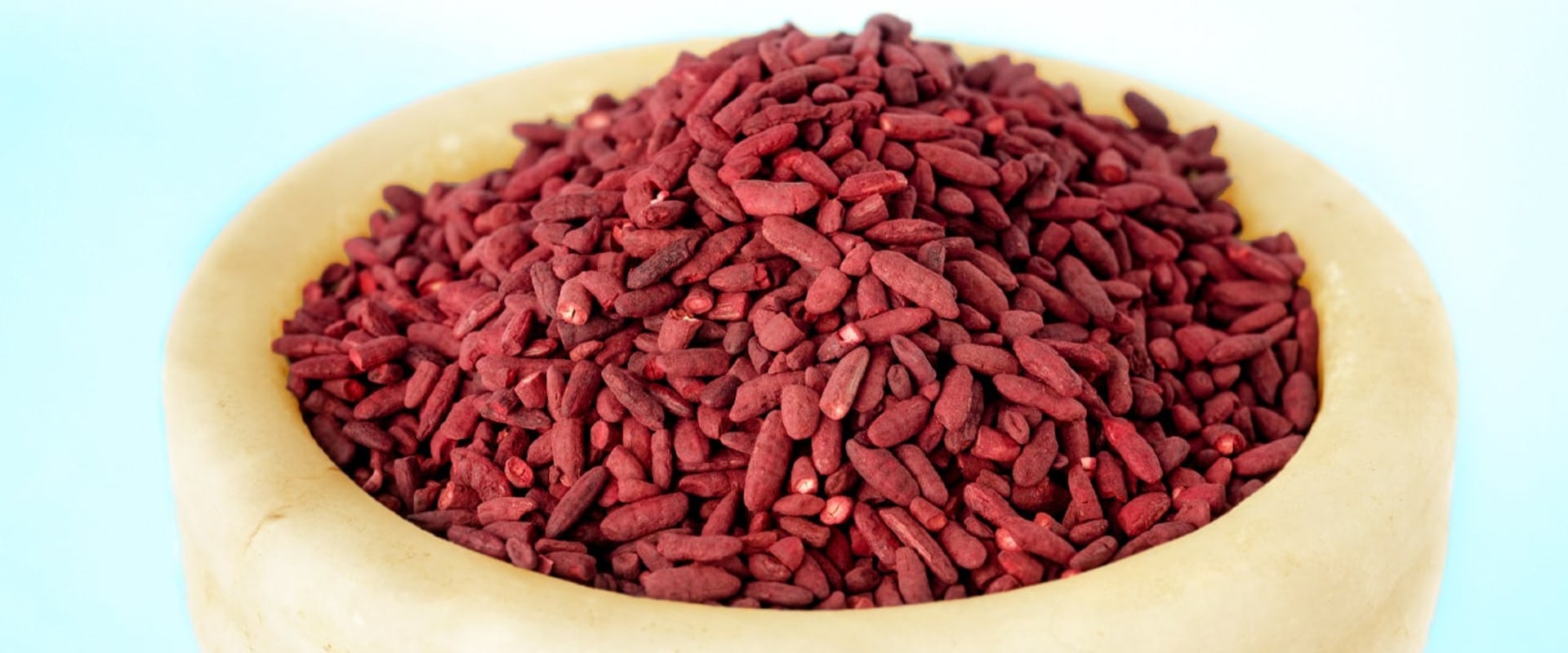
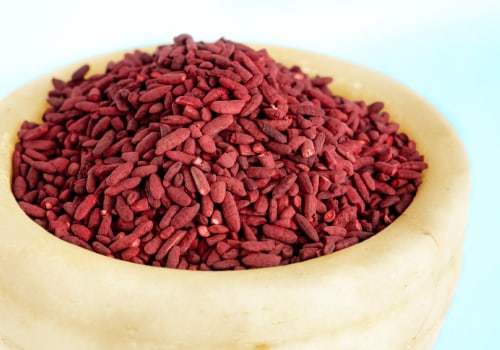
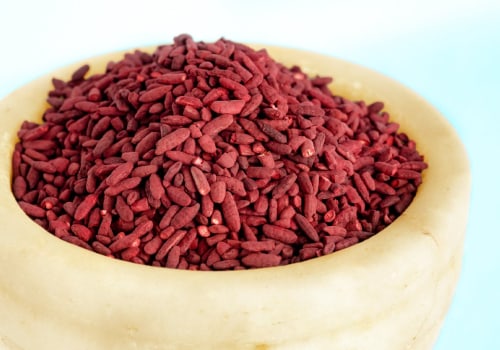
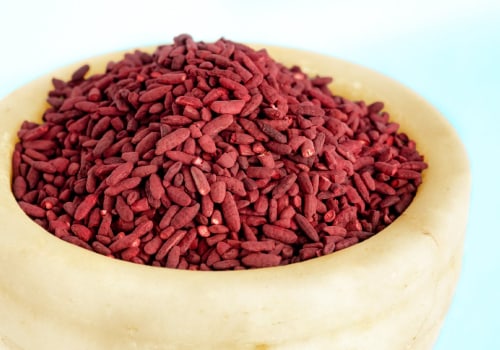
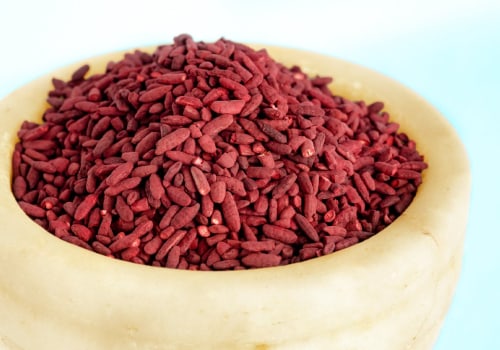
Red yeast rice is a traditional Chinese food and medicinal product that has gained popularity in recent years for its potential health benefits, particularly in managing cholesterol levels. This unique substance is created by fermenting rice with the yeast Monascus purpureus, which imparts a distinctive reddish hue to the rice. Historically, red yeast rice has been used in various Asian cuisines, not only as a food coloring agent but also as a natural remedy for digestive issues and to enhance overall health. The primary active component of red yeast rice is monacolin K , a compound that has been shown to inhibit the enzyme HMG-CoA reductase, which plays a crucial role in cholesterol synthesis in the liver. This mechanism is similar to that of statin medications, which are commonly prescribed to lower cholesterol levels.
As such, many individuals have turned to red yeast rice as a natural alternative to these pharmaceutical options, seeking to harness its potential benefits without the side effects often associated with conventional drugs. In addition to its cholesterol-lowering properties, red yeast rice is believed to offer a range of other health benefits. Some studies suggest that it may help reduce inflammation, improve metabolic syndrome, and even regulate blood sugar levels. These potential advantages have sparked interest among researchers and health enthusiasts alike, prompting further investigation into the full spectrum of its effects on human health. Despite its promising benefits, it is essential to approach red yeast rice with caution. The quality and concentration of active ingredients can vary significantly between products, leading to potential risks if not used correctly.
Understanding the origins, composition, and traditional uses of red yeast rice sets the stage for a deeper exploration of its health implications and the importance of consulting healthcare professionals before incorporating it into one’s wellness routine.
The Health Benefits of Red Yeast Rice
Red yeast rice has gained significant attention for its potential health benefits, particularly in the realm of cardiovascular health. One of the most well-documented advantages of red yeast rice is its ability to help lower cholesterol levels. This natural supplement contains monacolin K, a compound that functions similarly to statin medications, which are commonly prescribed to manage high cholesterol. By inhibiting the enzyme HMG-CoA reductase, monacolin K effectively reduces the production of cholesterol in the liver, leading to lower levels of low-density lipoprotein (LDL) or "bad" cholesterol in the bloodstream. Numerous studies have demonstrated the efficacy of red yeast rice in improving lipid profiles.For instance, a meta-analysis published in the American Journal of Cardiology found that participants who consumed red yeast rice experienced a significant reduction in total cholesterol and LDL cholesterol levels compared to those who did not. This makes red yeast rice a compelling option for individuals seeking natural alternatives to traditional cholesterol-lowering medications. In addition to its cholesterol-lowering properties, red yeast rice may also play a vital role in promoting overall heart health. By reducing LDL cholesterol and potentially increasing high-density lipoprotein (HDL) or "good" cholesterol, red yeast rice contributes to a healthier cardiovascular system. Furthermore, maintaining balanced cholesterol levels can help reduce the risk of heart disease, stroke, and other cardiovascular complications. Beyond its effects on cholesterol, red yeast rice is also recognized for its anti-inflammatory properties.
Chronic inflammation is a known contributor to various health issues, including heart disease and metabolic disorders. Some studies suggest that the compounds found in red yeast rice may help mitigate inflammation by inhibiting inflammatory markers in the body. This could provide additional protective benefits for heart health and overall well-being. Moreover, emerging research indicates that red yeast rice may have positive effects on metabolic syndrome—a cluster of conditions that increase the risk of heart disease, stroke, and diabetes. By improving insulin sensitivity and regulating blood sugar levels, red yeast rice could serve as a valuable supplement for individuals managing these conditions. In summary, the health benefits of red yeast rice are multifaceted.
From its ability to lower cholesterol levels and promote heart health to its potential anti-inflammatory effects and support for metabolic function, this natural remedy offers promising advantages for those looking to enhance their cardiovascular wellness. However, as with any supplement, it is essential to consult with a healthcare professional before incorporating red yeast rice into your routine to ensure it aligns with your individual health needs.
How Red Yeast Rice Works in the Body
Red yeast rice is a traditional Chinese food product that has gained popularity as a dietary supplement, particularly for its potential to lower cholesterol levels. The primary active compound in red yeast rice is monacolin K, a naturally occurring statin that plays a crucial role in inhibiting cholesterol synthesis in the body. To understand how red yeast rice works, it is essential to delve into the biochemical processes involved in cholesterol production. Cholesterol is synthesized in the liver through a multi-step process, with the enzyme HMG-CoA reductase being a key player.This enzyme catalyzes the conversion of HMG-CoA to mevalonate, which is a precursor to cholesterol. Monacolin K functions by competitively inhibiting this enzyme, effectively reducing the overall production of cholesterol. When individuals consume red yeast rice, the monacolin K it contains binds to the active site of HMG-CoA reductase, preventing it from performing its function. As a result, the liver produces less cholesterol, which can lead to lower levels of low-density lipoprotein (LDL) cholesterol—often referred to as "bad" cholesterol. This reduction in LDL cholesterol is significant because high levels are associated with an increased risk of cardiovascular diseases. In addition to its effects on cholesterol synthesis, red yeast rice may also influence other metabolic pathways.
Some studies suggest that it can help improve lipid profiles by increasing high-density lipoprotein (HDL) cholesterol, known as "good" cholesterol, which plays a protective role against heart disease. Furthermore, red yeast rice has been shown to possess antioxidant properties, which can help combat oxidative stress and inflammation in the body. While the benefits of red yeast rice are promising, it is important for consumers to be aware of the variability in monacolin K content among different products. Not all red yeast rice supplements are created equal; some may contain higher concentrations of monacolin K than others, affecting their efficacy and safety. Therefore, individuals considering red yeast rice as a supplement should consult with healthcare professionals and choose products that have been tested for purity and potency. In summary, red yeast rice works primarily through its active component, monacolin K, which inhibits cholesterol synthesis by targeting HMG-CoA reductase.
This mechanism not only helps lower LDL cholesterol levels but may also contribute to overall heart health by improving lipid profiles and reducing inflammation.
Potential Risks and Side Effects of Red Yeast Rice
While red yeast rice is often praised for its potential health benefits, it is crucial to consider the risks and side effects that may accompany its use. Understanding these potential issues can help individuals make informed decisions about incorporating this supplement into their health regimen. One of the primary concerns associated with red yeast rice is its potential to cause liver damage. The active compound in red yeast rice, monacolin K, is chemically identical to lovastatin, a prescription medication known to lower cholesterol levels. Just as with lovastatin, excessive consumption of red yeast rice can lead to elevated liver enzymes, indicating possible liver injury.Symptoms of liver damage may include:
- Fatigue
- Nausea or vomiting
- Abdominal pain
- Dark urine
- Jaundice (yellowing of the skin and eyes)
- Pain or tenderness in muscles
- Stiffness or cramping
- Dark-colored urine (indicative of muscle breakdown)
These may manifest as:
- Bloating
- Gas
- Diarrhea or constipation
- Stomach discomfort
Consulting with a healthcare professional before starting any new supplement is always advisable to ensure safety and efficacy.
Interactions with Medications and Other Supplements
When considering the incorporation of red yeast rice into your health regimen, it is crucial to understand its potential interactions with various medications and other supplements. This knowledge is particularly important for individuals who are already taking prescription drugs or other health products, as these interactions can significantly impact overall health and treatment efficacy.Red Yeast Rice and Prescription Medications
Red yeast rice contains a natural form of lovastatin, which is a statin medication commonly prescribed to lower cholesterol levels. Due to this similarity, individuals taking statins should exercise caution when considering red yeast rice. Combining these two can lead to an increased risk of side effects, including:
- Muscle pain or weakness
- Liver enzyme elevation
- Digestive issues such as bloating and gas
Red yeast rice may enhance the effects of these medications, increasing the risk of bleeding. Therefore, it is essential to consult with a healthcare provider before starting red yeast rice if you are on any of these medications.
Interactions with Other Supplements
In addition to prescription medications, red yeast rice may interact with certain dietary supplements. For instance, combining red yeast rice with other cholesterol-lowering supplements, such as fish oil or niacin, could amplify the cholesterol-lowering effects but also increase the risk of adverse effects.
Furthermore, supplements that affect liver function, such as milk thistle, may complicate the safety profile of red yeast rice. Since both can influence liver enzymes, their combined use should be approached with caution.
Safety Considerations
To ensure safety when using red yeast rice, consider the following guidelines:
- Consult Your Healthcare Provider: Always discuss with your doctor or pharmacist before adding red yeast rice to your regimen, especially if you are on other medications or supplements.
- Monitor for Side Effects: Be vigilant about any unusual symptoms that may arise after starting red yeast rice.
Report these to your healthcare provider promptly.
- Select Reputable Brands: Choose high-quality red yeast rice products that have been tested for purity and potency to minimize the risk of contamination with harmful substances.
Choosing the Right Red Yeast Rice Supplement
When it comes to incorporating red yeast rice into your health regimen, selecting the right supplement is crucial for both safety and effectiveness. With a plethora of options available on the market, understanding how to choose a high-quality product can make a significant difference in your experience and outcomes.1.Look for Reputable Brands
- Choose brands that have a solid reputation in the health supplement industry. Research companies that have been in business for several years and have positive customer reviews.
- Check if the brand has certifications from third-party organizations, which can indicate adherence to quality standards.
- Brands that provide transparency about their sourcing and manufacturing processes are often more trustworthy.
2.Quality Control Measures
Quality control is essential when it comes to supplements like red yeast rice, as contamination can lead to serious health issues.
Here are some factors to consider:
- Testing for Contaminants: Ensure that the product has been tested for harmful substances such as citrinin, a mycotoxin that can cause kidney damage. Look for products that provide lab results or certificates of analysis.
- Standardization: Opt for supplements that are standardized to contain a specific amount of monacolin K, the active ingredient responsible for cholesterol-lowering effects. This ensures consistency in potency.
- Manufacturing Practices: Choose products made in facilities that follow Good Manufacturing Practices (GMP). This indicates that the product is produced under strict quality control guidelines.
3.Ingredient Transparency
Always read the label carefully.
A high-quality red yeast rice supplement should list all ingredients clearly, including any fillers or additives. Avoid products with unnecessary artificial ingredients or preservatives.
4.Customer Reviews and Feedback
Before making a purchase, take the time to read customer reviews and testimonials. This can provide insight into the effectiveness of the product and any potential side effects experienced by other users.
By following these guidelines, you can confidently select a red yeast rice supplement that aligns with your health goals while minimizing risks associated with poor-quality products. Remember, consulting with a healthcare professional before starting any new supplement is always advisable to ensure it fits well within your overall health plan.
Frequently Asked Questions about Red Yeast Rice
As interest in red yeast rice continues to grow, many individuals have questions about its safety, dosage, and interactions with other medications.Below are some of the most frequently asked questions regarding this natural supplement.
Is Red Yeast Rice Safe?
Red yeast rice is generally considered safe for most people when taken in appropriate doses. However, it is important to note that the safety profile can vary based on the quality of the product and individual health conditions. Some potential side effects include:- Gastrointestinal discomfort, such as bloating or gas
- Headaches
- Heartburn
Therefore, individuals with liver disease or those taking medications that affect liver function should consult a healthcare provider before using red yeast rice.
How Much Red Yeast Rice Should I Take?
The appropriate dosage of red yeast rice can vary based on individual health needs and the specific product used. Most studies suggest a daily dose ranging from 1,200 mg to 2,400 mg of red yeast rice extract. However, it is crucial to follow the manufacturer's instructions and consult with a healthcare professional for personalized recommendations. Starting with a lower dose may help assess tolerance before gradually increasing it.Can I Take Red Yeast Rice with Statins?
Combining red yeast rice with statin medications is generally not recommended without medical supervision.Since both substances work to lower cholesterol levels through similar mechanisms, taking them together could increase the risk of side effects such as muscle pain or liver damage. If you are currently on statins and considering red yeast rice as an alternative or adjunct therapy, it is essential to discuss this with your healthcare provider to ensure safety and efficacy. In summary, while red yeast rice offers potential benefits for cholesterol management, understanding its safety profile, appropriate dosage, and interactions with other medications is vital for making informed health decisions.
Conclusion: Weighing the Benefits Against the Risks
In summary, the discussion surrounding red yeast rice has illuminated both its potential benefits and associated risks. As a natural supplement derived from the fermentation of rice with the fungus Monascus purpureus, red yeast rice has been utilized for centuries in traditional medicine, particularly in Asian cultures. Its primary appeal lies in its ability to help lower cholesterol levels, which can be a significant factor in promoting heart health. However, while the benefits are noteworthy, it is crucial to approach red yeast rice with caution.The presence of monacolin K, a compound similar to the active ingredient in prescription statins, means that users may experience side effects akin to those associated with statin medications. Common side effects include headaches, gastrointestinal discomfort, and muscle pain. More serious concerns involve potential liver damage and interactions with other medications. Before incorporating red yeast rice into your health regimen, consider the following:
- Consultation with Healthcare Providers: Always discuss with a healthcare professional before starting any new supplement, especially if you are currently taking prescription medications or have underlying health conditions.
- Quality and Purity: Choose reputable brands that provide transparency regarding their product's composition and purity. Contaminants like citrinin, which can lead to kidney issues, are a significant concern.
- Monitoring for Side Effects: Be vigilant about any adverse reactions after starting red yeast rice.
Keeping a record of your symptoms can help you and your healthcare provider make informed decisions about your treatment.