The Power of Red Yeast Rice: Unlocking Its Benefits for Cholesterol and Heart Health
Discover the powerful benefits of red yeast rice for lowering cholesterol and promoting heart health. Learn how it can enhance your wellness.
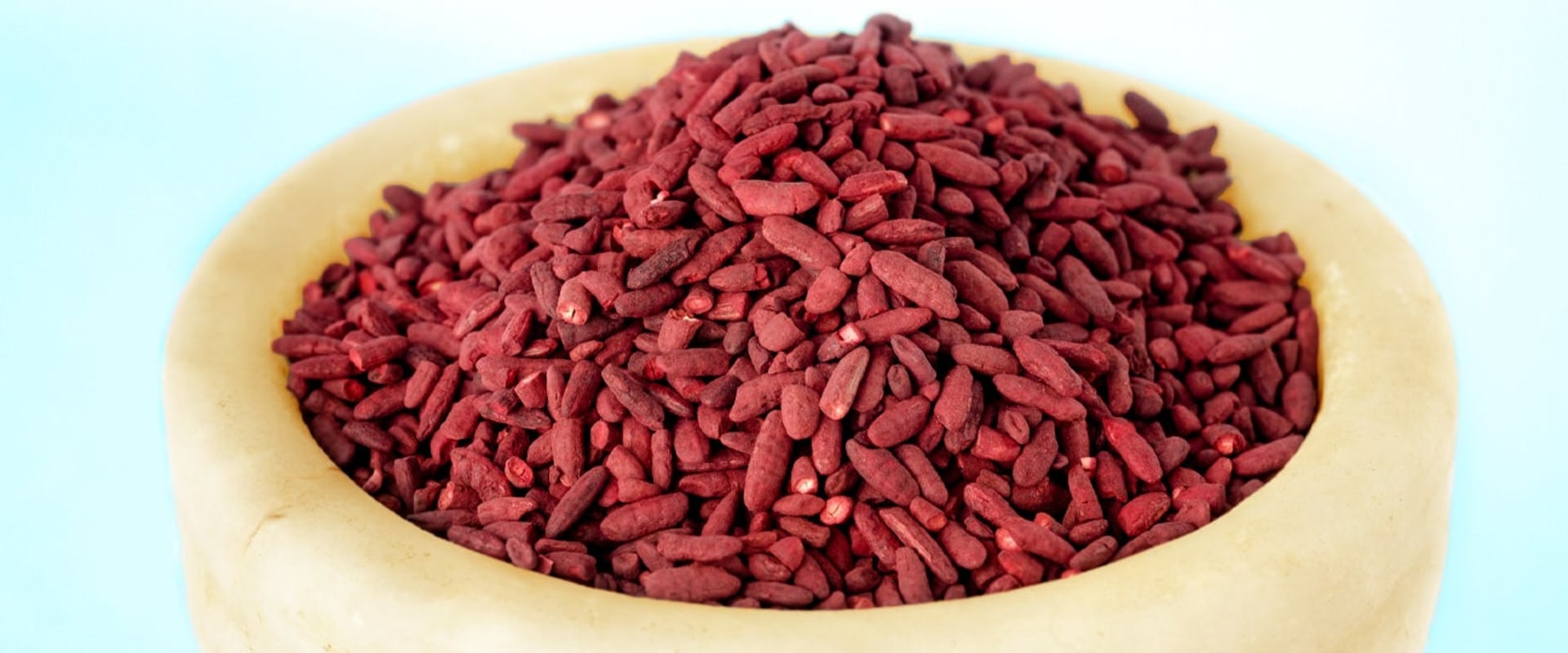
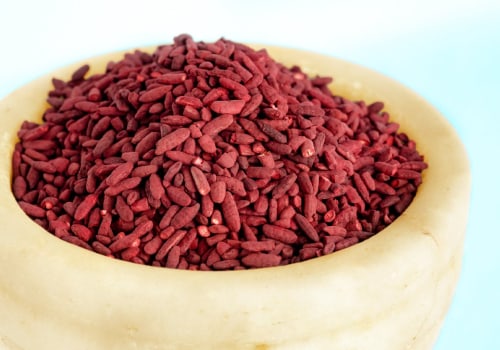
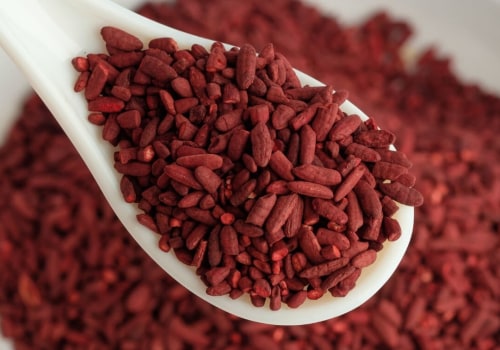
Red yeast rice is a unique product that has been cherished in traditional Chinese medicine for centuries. This fermented rice, which is produced by culturing rice with a specific type of mold known as Monascus purpureus, has a rich history that dates back over a thousand years. Initially used as a food preservative and coloring agent, it soon gained recognition for its potential health benefits, particularly in promoting cardiovascular health and managing cholesterol levels. The primary reason for the growing interest in red yeast rice today lies in its ability to lower cholesterol. The active compound found in red yeast rice, known as monacolin K, is chemically identical to the active ingredient in some statin medications.
This compound works by inhibiting the enzyme HMG-CoA reductase, which plays a crucial role in cholesterol production in the liver. As a result, individuals who incorporate red yeast rice into their diets may experience significant reductions in low-density lipoprotein (LDL) cholesterol, often referred to as "bad" cholesterol. Beyond its cholesterol-lowering properties, red yeast rice is also believed to offer a range of other health benefits. Some studies suggest that it may help reduce inflammation, improve blood circulation, and even support metabolic health. Additionally, its antioxidant properties may contribute to overall heart health by combating oxidative stress within the body.
As more research emerges, the potential of red yeast rice continues to be explored, making it an intriguing subject for those interested in natural health solutions. In summary, red yeast rice is not just a culinary ingredient but a powerful supplement with a storied past and promising health benefits. Understanding its origins and traditional uses sets the stage for appreciating its role in modern wellness practices. As we delve deeper into the specific benefits of red yeast rice, it becomes clear why this ancient remedy has stood the test of time and remains relevant in today's health-conscious society.
The Science Behind Red Yeast Rice
Red yeast rice is not just a traditional remedy; it is a scientifically backed supplement that has garnered attention for its potential health benefits, particularly in managing cholesterol levels. The primary active compound in red yeast rice is monacolin K , a naturally occurring statin that plays a crucial role in its cholesterol-lowering effects.Monacolin K
works by inhibiting the enzyme HMG-CoA reductase, which is essential for the production of cholesterol in the liver.
By blocking this enzyme, monacolin K effectively reduces the synthesis of low-density lipoprotein (LDL) cholesterol, often referred to as "bad" cholesterol. This reduction in LDL levels can lead to a lower risk of cardiovascular diseases, making red yeast rice a valuable addition to heart health regimens. In addition to monacolin K, red yeast rice contains several other beneficial compounds that contribute to its health-promoting properties:
- Policosanols: These are long-chain alcohols that may help lower cholesterol levels and improve overall cardiovascular health.
- Beta-sitosterol: A plant sterol that can help reduce cholesterol absorption in the intestines.
- Isoflavones: These compounds have antioxidant properties and may help reduce inflammation, further supporting heart health.
Therefore, consumers should look for high-quality supplements that have been tested for potency and purity. In summary, the science behind red yeast rice lies in its unique blend of active compounds, particularly monacolin K, which work synergistically to lower cholesterol levels and promote heart health. As research continues to unfold, red yeast rice remains a promising natural option for those seeking to improve their cardiovascular well-being.
Health Benefits of Red Yeast Rice
Red yeast rice, a traditional Chinese medicinal food, has garnered attention in recent years for its impressive health benefits, particularly in the realm of cardiovascular health. One of the most significant advantages of red yeast rice is its ability to effectively reduce LDL cholesterol , often referred to as "bad" cholesterol. This reduction is crucial because high levels of LDL cholesterol are linked to an increased risk of heart disease and stroke. Research has shown that individuals who incorporate red yeast rice into their diets can experience substantial decreases in both LDL and total cholesterol levels.For instance, a study involving participants who consumed 2.4 grams of red yeast rice daily reported a remarkable 22% reduction in LDL cholesterol and a 16% decrease in total cholesterol within just 12 weeks. Another study indicated that a daily intake of 1.2 grams led to an impressive 26% drop in LDL levels after only 8 weeks. The active compound responsible for these cholesterol-lowering effects is known as monacoline K , which functions similarly to statin medications commonly prescribed for high cholesterol. By inhibiting the enzyme HMG-CoA reductase, monacoline K effectively reduces the liver's production of cholesterol, leading to lower levels circulating in the bloodstream. Beyond its cholesterol-lowering properties, red yeast rice also plays a vital role in heart disease prevention. Studies suggest that it may help reduce inflammation within the body, a key factor in the development of cardiovascular diseases.
Chronic inflammation can lead to arterial damage and plaque buildup, increasing the risk of heart attacks and strokes. By mitigating inflammation, red yeast rice may contribute to overall heart health. Moreover, some research has hinted at potential benefits beyond cardiovascular health. Preliminary studies have suggested that red yeast rice might possess anti-cancer properties , although more research is needed to fully understand this aspect. As with any supplement, it is essential to consult with a healthcare professional before adding red yeast rice to your regimen, especially for those already taking medications or with existing health conditions. In summary, the health benefits of red yeast rice are multifaceted, primarily focusing on its ability to lower LDL cholesterol and promote heart health.
Its incorporation into a balanced diet could be a valuable strategy for those looking to improve their cardiovascular well-being.
Dosage and Usage Recommendations
When considering the incorporation of red yeast rice into your health regimen, understanding the appropriate dosage and usage is crucial for maximizing its benefits. The recommended dosage can vary based on individual health needs, but general guidelines suggest a daily intake of 1200 mg to 2400 mg, divided into two doses taken with meals.Recommended Dosage:
- For cholesterol management: A common starting point is 1200 mg taken twice daily, ideally with meals to enhance absorption.
- For more significant cholesterol reduction: Some studies have utilized doses up to 2400 mg per day, but this should only be done under medical supervision.
How to Take Red Yeast Rice:
- Form: Red yeast rice is available in various forms, including capsules, tablets, and powders. Choose a form that fits your lifestyle and preferences.
- Timing: Taking red yeast rice with meals can help improve its absorption and reduce the risk of gastrointestinal discomfort.
- Consistency: For optimal results, incorporate it into your daily routine consistently.
Skipping doses may hinder its effectiveness.
Best Practices for Using Red Yeast Rice:
- Monitor Your Health: Regularly check your cholesterol levels and overall health with your healthcare provider to assess the effectiveness of red yeast rice.
- Stay Informed: Research different brands and products, as the concentration of active ingredients can vary significantly. Look for products that have been tested for quality and potency by third-party organizations.
- Avoid Self-Medication: Do not exceed the recommended dosage without consulting a healthcare professional. Higher doses do not necessarily equate to better results and may increase the risk of side effects.
Potential Side Effects and Considerations
While red yeast rice is celebrated for its numerous health benefits, particularly in lowering cholesterol levels, it is essential to be aware of potential side effects and safety considerations associated with its use.Understanding these factors can help individuals make informed decisions about incorporating this supplement into their health regimen.
Potential Side Effects
Although many people tolerate red yeast rice well, some may experience side effects. Commonly reported side effects include:- Gastrointestinal Issues: Some users may experience digestive discomfort, including bloating, gas, or diarrhea.
- Muscle Pain: Similar to statin medications, red yeast rice can lead to muscle aches or cramps in some individuals.
- Insomnia: A few users have reported difficulty sleeping while taking red yeast rice supplements.
- Liver Damage: In rare cases, high doses of red yeast rice may affect liver function, leading to elevated liver enzymes.
Who Should Exercise Caution?
Certain groups of people should approach red yeast rice with caution or avoid it altogether:- Individuals with Liver Conditions: Those with pre-existing liver issues should avoid red yeast rice due to the potential risk of liver damage.
- Pregnant or Nursing Women: The safety of red yeast rice during pregnancy and breastfeeding has not been established, so it is best to avoid it during these periods.
- People Taking Other Medications: Red yeast rice can interact with various medications, particularly other cholesterol-lowering drugs and certain antibiotics. It is crucial for individuals on these medications to consult their healthcare provider before starting red yeast rice.
The Importance of Consulting Healthcare Professionals
Before beginning any new supplement regimen, including red yeast rice, it is vital to consult with a healthcare professional. A doctor or nutritionist can provide personalized advice based on individual health needs and conditions.They can also monitor for any potential side effects and ensure that the supplement does not interfere with existing medications or health issues. In conclusion, while the benefits of red yeast rice are significant, being aware of its potential side effects and who should avoid it is crucial for safe usage. Always prioritize your health by seeking professional guidance before making any changes to your supplement routine.
Choosing Quality Red Yeast Rice Supplements
When it comes to incorporating red yeast rice into your health regimen, selecting a high-quality supplement is crucial for maximizing its benefits. With the growing popularity of this natural remedy, the market is flooded with various products, making it essential to know how to choose wisely.Understanding Product Labels
Before purchasing a red yeast rice supplement, take the time to carefully examine the product label. Here are some key factors to consider:- Monacolin K Content: This is the active compound responsible for lowering cholesterol levels.
Look for products that specify the amount of monacolin K per serving, ideally around 1.2 to 2.4 grams daily, as supported by research.
- Standardization: Choose supplements that are standardized to contain a specific percentage of monacolin K. This ensures consistency in potency and effectiveness.
- Additional Ingredients: Be cautious of products that contain unnecessary fillers, artificial colors, or preservatives. A quality supplement should have minimal ingredients.
The Importance of Third-Party Testing
One of the most reliable ways to ensure the quality and safety of red yeast rice supplements is through third-party testing. Here’s why it matters:- Quality Assurance: Third-party testing verifies that the product contains what it claims on the label without harmful contaminants.
- Transparency: Reputable brands will often provide certificates of analysis (COA) from independent laboratories, demonstrating their commitment to quality.
- Consumer Trust: Products that undergo rigorous testing are more likely to be trusted by consumers, ensuring you are making a safe choice.
Feedback from other users can provide insights into the effectiveness and reliability of specific brands. By taking these steps, you can confidently choose a high-quality red yeast rice supplement that aligns with your health goals.
Red Yeast Rice and Lifestyle Changes for Heart Health
Incorporating red yeast rice into your daily routine can significantly enhance your heart health, but it is essential to pair this supplement with comprehensive lifestyle changes. A holistic approach to cardiovascular wellness not only maximizes the benefits of red yeast rice but also promotes overall well-being.Dietary Changes for Cholesterol Management
- Increase Fiber Intake: Consuming a diet rich in soluble fiber can help lower cholesterol levels. Foods such as oats, beans, lentils, fruits, and vegetables are excellent sources.
Aim for at least 25-30 grams of fiber daily.
- Choose Healthy Fats: Replace saturated fats found in red meat and full-fat dairy with healthier options like olive oil, avocados, and nuts. These fats can help improve your lipid profile.
- Incorporate Omega-3 Fatty Acids: Fatty fish such as salmon, mackerel, and sardines are high in omega-3s, which have been shown to reduce triglycerides and lower blood pressure.
- Limit Processed Foods: Highly processed foods often contain trans fats and added sugars that can negatively impact cholesterol levels. Focus on whole, unprocessed foods whenever possible.
Combining Red Yeast Rice with Healthy Habits
In addition to dietary changes, adopting other healthy habits can further support heart health:
- Regular Physical Activity: Engaging in at least 150 minutes of moderate aerobic exercise each week can help lower LDL cholesterol and raise HDL cholesterol. Activities like walking, cycling, or swimming are great options.
- Maintain a Healthy Weight: Achieving and maintaining a healthy weight is crucial for heart health.
Even a modest weight loss of 5-10% can lead to significant improvements in cholesterol levels.
- Avoid Smoking: If you smoke, seek help to quit. Smoking is a major risk factor for heart disease and can negate the benefits of any healthy lifestyle changes.
- Manage Stress: Chronic stress can lead to unhealthy habits such as overeating or smoking. Incorporate stress-reducing practices like yoga, meditation, or deep-breathing exercises into your routine.
FAQs About Red Yeast Rice
As interest in red yeast rice continues to grow, many individuals have questions about its safety, efficacy, and how it interacts with other medications.Below are some of the most frequently asked questions regarding red yeast rice.
Is Red Yeast Rice Safe?
Generally, red yeast rice is considered safe for most people when taken in recommended doses. However, it is essential to be aware of potential side effects. Some users may experience mild gastrointestinal discomfort, such as bloating or gas. More serious side effects can include muscle pain or liver damage, particularly if taken in high doses or for extended periods.It is crucial to consult with a healthcare professional before starting any new supplement, especially if you have pre-existing health conditions or are taking other medications.
Can I Take Red Yeast Rice with Statins?
This is a common concern among those already on cholesterol-lowering medications. While red yeast rice contains a natural form of statin (monacolin K), combining it with prescription statins can increase the risk of side effects, particularly muscle-related issues. If you are currently taking statins and considering adding red yeast rice to your regimen, it is vital to discuss this with your doctor. They can help determine the best course of action based on your individual health needs.What Are the Benefits of Red Yeast Rice?
The primary benefit of red yeast rice is its ability to lower LDL cholesterol levels effectively.Studies have shown that it can reduce total cholesterol and improve heart health markers. Additionally, some research suggests that it may have anti-inflammatory properties and could potentially aid in weight management and metabolic health.
How Long Does It Take to See Results?
Many users report seeing improvements in their cholesterol levels within 12 weeks of consistent use. However, individual results may vary based on diet, lifestyle, and overall health. Regular monitoring by a healthcare provider is recommended to assess effectiveness and make any necessary adjustments. If you have more questions about red yeast rice , consider reaching out to a healthcare professional who can provide personalized advice based on your health history and goals.Conclusion: Embracing the Benefits of Red Yeast Rice for Heart Health
In summary, the incorporation of red yeast rice into your daily routine can offer significant advantages for heart health and cholesterol management.As we have explored, this traditional fermented product is not just a relic of ancient Chinese medicine; it has been validated by modern research for its efficacy in lowering LDL cholesterol levels and promoting overall cardiovascular wellness. Key findings from various studies highlight that individuals who consume red yeast rice regularly can experience:
- Reduction in LDL cholesterol: Clinical trials have shown reductions of up to 26% in LDL levels within just a few weeks of consistent use.
- Improved total cholesterol levels: Participants have reported an average decrease of 16% in total cholesterol, contributing to a healthier lipid profile.
- Support for heart disease prevention: Beyond cholesterol management, red yeast rice may also lower the risk of heart disease and metabolic syndrome.
- Potential anti-inflammatory effects: The anti-inflammatory properties of red yeast rice can further enhance cardiovascular health.
Coupled with a balanced diet, regular exercise, and routine health check-ups, red yeast rice can be a valuable ally in your journey toward better heart health.