Understanding Red Yeast Rice: Benefits, Risks, and Medication Interactions
Explore the benefits and risks of red yeast rice, its cholesterol-lowering effects, and important medication interactions.
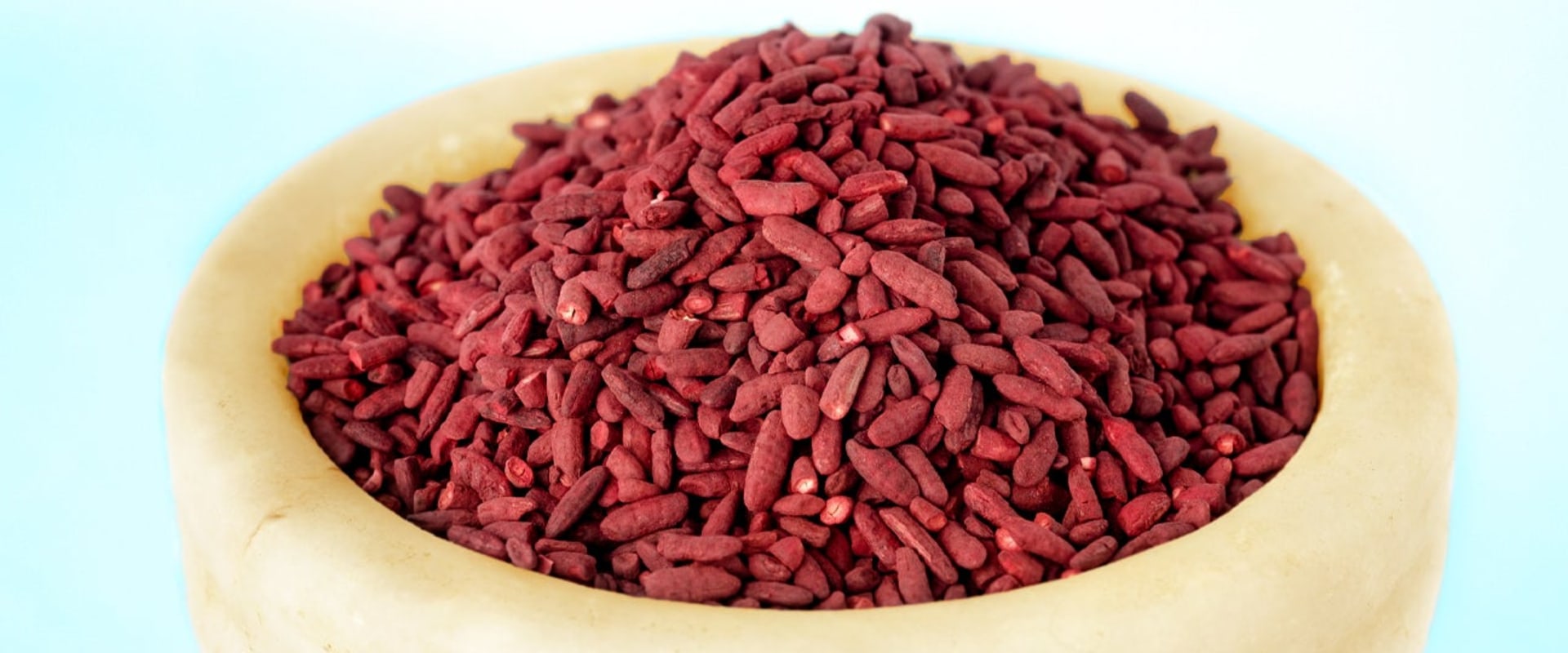
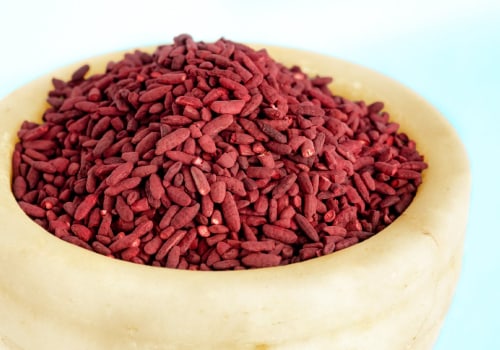
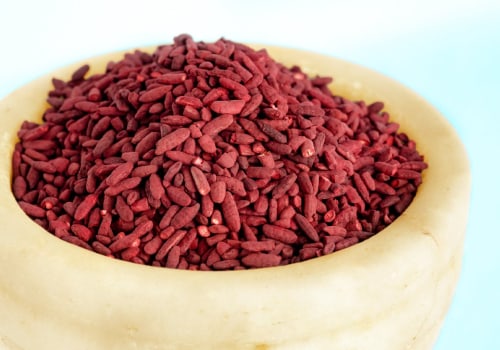
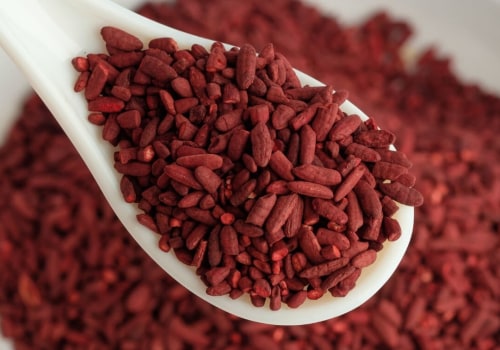
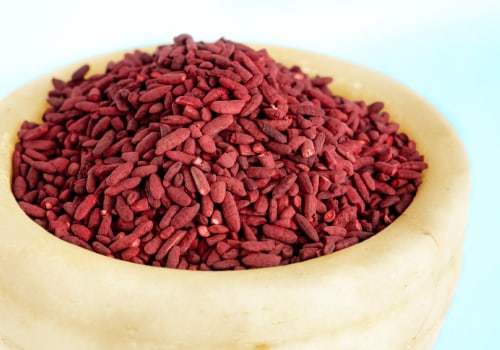
Red yeast rice, a traditional Chinese culinary ingredient, has gained significant attention in recent years as a natural supplement for managing cholesterol levels. This fermented product is made by culturing rice with a specific strain of yeast known as Red yeast rice, a traditional Chinese culinary ingredient, has gained significant attention in recent years as a natural supplement for managing cholesterol levels. This fermented product is made by culturing rice with a specific strain of yeast known as Monascus purpureus. The fermentation process not only imparts a distinctive red color to the rice but also enhances its health-promoting properties. As more individuals seek alternatives to pharmaceutical interventions for cholesterol management, red yeast rice has emerged as a popular choice due to its potential benefits. The primary active component in red yeast rice is monacolin K , a compound that is chemically identical to the active ingredient found in statin medications, such as lovastatin.
This similarity allows red yeast rice to effectively lower levels of low-density lipoprotein (LDL) cholesterol, often referred to as "bad" cholesterol. Numerous studies have indicated that incorporating red yeast rice into one’s diet can lead to significant reductions in total cholesterol and LDL levels, making it an appealing option for those looking to improve their heart health naturally. In addition to its cholesterol-lowering effects, red yeast rice is also believed to offer other health benefits. Some research suggests that it may possess antioxidant properties, which can help combat oxidative stress in the body. Furthermore, its potential anti-inflammatory effects may contribute to overall cardiovascular health.
As awareness of these benefits grows, many people are turning to red yeast rice as a holistic approach to managing their cholesterol levels and enhancing their well-being. However, while the benefits of red yeast rice are promising, it is essential to approach its use with caution. The potency of red yeast rice supplements can vary significantly between products, and they may interact with other medications. Therefore, understanding both the advantages and potential risks associated with red yeast rice is crucial for anyone considering this supplement as part of their health regimen.
What is Red Yeast Rice?
Red yeast rice
is a traditional Chinese culinary and medicinal product made by fermenting Oryza sativa (rice) with specific strains of yeast, primarily Monascus purpureus. This fermentation process not only enhances the nutritional profile of the rice but also introduces various bioactive compounds that contribute to its health benefits. The primary active ingredient in red yeast rice is monacolin K , a compound that is chemically identical to the active ingredient found in the prescription statin drug lovastatin.
Monacolin K is known for its ability to inhibit cholesterol synthesis in the liver, making red yeast rice a popular natural alternative for managing cholesterol levels. However, the concentration of monacolin K can vary significantly among different red yeast rice products, depending on factors such as the strain of yeast used and the fermentation conditions. In addition to monacolin K, red yeast rice contains several other beneficial compounds:
- Polyketides: These compounds have been shown to possess antioxidant properties and may help reduce inflammation.
- Unsaturated fatty acids: These healthy fats can support cardiovascular health and improve lipid profiles.
- Plant sterols: These compounds can help block cholesterol absorption in the intestines.
- Vitamins and minerals: Red yeast rice is also a source of essential nutrients, including B vitamins, which play a crucial role in energy metabolism.
- Preparation: The rice is first cleaned and soaked in water to prepare it for fermentation.
- Inoculation: Specific strains of Monascus purpureus are added to the soaked rice, allowing the yeast to proliferate.
- Fermentation: The inoculated rice is then placed in a controlled environment where temperature and humidity are monitored. This fermentation period typically lasts from several days to weeks, during which the yeast metabolizes the starches in the rice and produces various bioactive compounds.
- Drying and grinding: After fermentation, the rice is dried and ground into a fine powder, which can be used in supplements or as a food ingredient.
Health Benefits of Red Yeast Rice
Red yeast rice, a traditional Chinese culinary ingredient, has gained significant attention in recent years for its potential health benefits, particularly in the realm of cholesterol reduction.This natural supplement is derived from fermented rice that has been inoculated with the yeast Monascus purpureus. The active compound in red yeast rice, known as monacolin K, is chemically identical to the active ingredient in the prescription statin drug lovastatin. This similarity is what gives red yeast rice its cholesterol-lowering properties. Numerous studies have demonstrated the effectiveness of red yeast rice in managing cholesterol levels. For instance, a meta-analysis published in the American Journal of Cardiology found that participants who took red yeast rice supplements experienced a significant reduction in total cholesterol and low-density lipoprotein (LDL) cholesterol levels compared to those who received a placebo.
Specifically, the analysis indicated an average reduction of 20-30% in LDL cholesterol among users of red yeast rice. In addition to lowering cholesterol, red yeast rice may also contribute to overall heart health. By reducing LDL cholesterol, it helps decrease the risk of cardiovascular diseases such as heart attacks and strokes. Furthermore, some studies suggest that red yeast rice may improve endothelial function, which is crucial for maintaining healthy blood vessels and circulation. Another notable benefit of red yeast rice is its potential anti-inflammatory properties. Chronic inflammation is a known risk factor for various cardiovascular conditions.
Research indicates that the compounds found in red yeast rice may help reduce markers of inflammation in the body, thereby supporting heart health. For those considering incorporating red yeast rice into their health regimen, it is essential to choose high-quality supplements from reputable sources. The concentration of monacolin K can vary significantly between products due to differences in fermentation processes and strains used. Therefore, consulting with a healthcare professional before starting any new supplement is advisable to ensure safety and efficacy. In summary, the health benefits of red yeast rice are primarily centered around its ability to lower cholesterol levels and promote heart health. With ongoing research supporting its use as a natural alternative to statins, it presents an appealing option for individuals seeking to manage their cholesterol through dietary supplements.
How Red Yeast Rice Works in the Body
Red yeast rice is a traditional Chinese culinary ingredient that has gained attention in the health community for its potential to lower cholesterol levels.The primary active component responsible for these effects is monacolin K , a naturally occurring compound that closely resembles the active ingredient found in statin medications, specifically lovastatin. When consumed, red yeast rice works by inhibiting the enzyme HMG-CoA reductase, which plays a crucial role in the synthesis of cholesterol in the liver. By blocking this enzyme, monacolin K effectively reduces the production of cholesterol, leading to lower levels of low-density lipoprotein (LDL) cholesterol, often referred to as "bad" cholesterol. This mechanism is similar to how pharmaceutical statins operate, making red yeast rice a natural alternative for those seeking to manage their cholesterol levels. In addition to its cholesterol-lowering effects, red yeast rice may also influence other aspects of cholesterol metabolism. For instance, it can enhance the liver's ability to clear LDL cholesterol from the bloodstream.
This dual action not only helps in reducing overall cholesterol levels but also contributes to improved cardiovascular health. However, it is essential to understand that while red yeast rice can offer significant benefits, it also carries potential risks. The concentration of monacolin K can vary widely among different red yeast rice products due to factors such as fermentation processes and the specific strains of yeast used. Some products may contain higher levels of monacolin K than others, which could lead to an increased risk of side effects similar to those experienced with statin medications. Moreover, individuals taking red yeast rice should be cautious about possible interactions with other medications. Since monacolin K mimics statins, combining it with other cholesterol-lowering drugs can amplify their effects and increase the likelihood of adverse reactions, including liver damage and muscle pain. In summary, understanding how red yeast rice works in the body is crucial for anyone considering its use as a supplement.
While it offers promising benefits for managing cholesterol levels through its active component monacolin K, users must remain vigilant about dosage and potential interactions with other medications.
Potential Risks and Side Effects of Red Yeast Rice
While red yeast rice is often touted for its cholesterol-lowering benefits, it is crucial to understand the potential risks and side effects associated with its consumption. Many individuals may overlook these concerns in their pursuit of natural health solutions, but being informed is essential for safe usage. One of the most significant risks linked to red yeast rice is the potential for liver damage. The active compound in red yeast rice, monacolin K, is chemically similar to lovastatin, a prescription statin. This similarity means that red yeast rice can exert similar effects on the liver as statins do.Reports have indicated that some individuals taking red yeast rice supplements have experienced elevated liver enzymes, which can be a precursor to liver damage. Symptoms of liver issues may include:
- Fatigue
- Jaundice (yellowing of the skin and eyes)
- Dark urine
- Abdominal pain
- Nausea or vomiting
It is recommended to choose products from reputable manufacturers who conduct thorough testing for contaminants. Additionally, individuals taking other medications, particularly those for cholesterol management or blood pressure, should be aware of potential interactions. Combining red yeast rice with these medications can amplify side effects such as muscle pain or weakness, known as myopathy, which can lead to more severe conditions like rhabdomyolysis. In summary, while red yeast rice may offer certain health benefits, it is not without its risks. Individuals should consult healthcare professionals before starting any new supplement regimen and remain vigilant about monitoring their health while using these products.
Medication Interactions with Red Yeast Rice
When considering the use of red yeast rice as a supplement for lowering cholesterol, it is essential to understand its potential interactions with various medications. This is particularly important for individuals who are already on prescribed medications, especially statins, which are commonly used to manage cholesterol levels.Red Yeast Rice and Statins
The active component in red yeast rice, known as monacoline K, is chemically identical to lovastatin, a well-known statin medication.
This similarity means that taking red yeast rice can produce effects similar to those of statins, including the potential for lowering cholesterol levels. However, this also raises concerns about the risk of additive side effects when red yeast rice is taken alongside prescribed statin medications.
Patients who are already on statins may experience increased risks of muscle pain, liver damage, and other side effects if they add red yeast rice to their regimen without medical supervision. Therefore, it is crucial for anyone considering this supplement to consult with their healthcare provider to evaluate the safety and appropriateness of combining these treatments.
Interactions with Grapefruit Juice
Another significant interaction to be aware of involves grapefruit juice. Grapefruit and its juice are known to affect the metabolism of many medications, including statins.
The compounds in grapefruit can inhibit enzymes in the liver that are responsible for breaking down certain drugs, leading to higher concentrations of these medications in the bloodstream.
Since red yeast rice can mimic the action of statins due to its monacoline K content, consuming grapefruit juice while taking red yeast rice may similarly increase the risk of side effects associated with both substances. This combination can lead to an elevated risk of muscle damage and liver toxicity.
Recommendations for Safe Use
- Always consult with a healthcare professional before starting red yeast rice, especially if you are currently taking statins or other medications.
- Avoid consuming grapefruit juice while taking red yeast rice to minimize the risk of adverse interactions.
- Monitor your health closely for any signs of side effects if you choose to take red yeast rice alongside other medications.
Consulting Healthcare Professionals: A Must Before Use
Before incorporating red yeast rice supplements into your health regimen, it is crucial to consult with a healthcare professional. This step is essential for several reasons, particularly due to the potential interactions and side effects associated with these supplements. First and foremost, a healthcare provider can evaluate your individual health status and determine whether red yeast rice is appropriate for you.This is especially important if you are currently taking medications, particularly statins or other cholesterol-lowering drugs. The active ingredient in red yeast rice, monacolin K, is chemically similar to lovastatin, which means that combining these substances can amplify their effects and increase the risk of adverse reactions. Moreover, healthcare professionals can provide guidance on the correct dosage and duration of use. Since the concentration of monacolin K can vary significantly between different brands and formulations of red yeast rice, a healthcare provider can help you choose a reputable product that aligns with your health goals. Another critical aspect of using red yeast rice is the need for regular monitoring of liver function. Liver health can be compromised by both statins and red yeast rice, making it vital to keep an eye on liver enzyme levels during supplementation.
Your healthcare provider may recommend periodic blood tests to ensure that your liver is functioning properly and to detect any potential issues early on. In addition to monitoring liver function, it’s also wise to discuss any other supplements or dietary changes you are considering. Some individuals may not realize that certain vitamins or herbal products can interact with red yeast rice, potentially leading to unwanted side effects or diminished effectiveness. In summary, consulting with a healthcare professional before starting red yeast rice supplements is not just a precaution; it is a necessary step for safe and effective use. By working closely with your provider, you can ensure that you are making informed decisions about your health and minimizing any risks associated with supplementation.
Choosing Quality Red Yeast Rice Supplements
When it comes to selecting red yeast rice supplements, quality is paramount. The market is flooded with various products, and not all of them are created equal.To ensure you are choosing a high-quality supplement, consider the following guidelines:
-
Look for Third-Party Testing: Reputable brands often submit their products for independent testing. This ensures that what is on the label matches what is in the bottle. Look for certifications from organizations like U. S.
Pharmacopeia (USP)
, ConsumerLab, or NSF International. - Check for Monacolin K Content: Since monacoline K is the active ingredient responsible for lowering cholesterol, it’s essential to know the amount present in the supplement. A quality product should clearly state its monacoline K content on the label.
- Avoid Products with Citrinin: Citrinin is a toxic by-product that can occur during the fermentation process of red yeast rice. It has been linked to kidney damage and other health issues. Always choose brands that test for citrinin and provide evidence of its absence.
-
Research Brand Reputation: Investigate the brand’s history and customer reviews.
Brands with a long-standing reputation for quality and safety are more likely to produce reliable supplements.
- Consult Healthcare Professionals: Before starting any new supplement, including red yeast rice, consult with your healthcare provider. They can recommend reputable brands and help you understand potential interactions with other medications.
FAQs About Red Yeast Rice and Its Use
As the popularity of red yeast rice continues to rise, many individuals have questions regarding its safety, efficacy, and potential interactions with medications.Below are some frequently asked questions that can help clarify common concerns about this supplement.
What is red yeast rice?
Red yeast rice is a traditional Chinese food product made by fermenting rice with a specific type of yeast called Monascus purpureus. This fermentation process produces several compounds, including monacolin K, which is chemically similar to the active ingredient in statin medications used to lower cholesterol.What are the benefits of red yeast rice?
The primary benefit of red yeast rice is its ability to help lower cholesterol levels. Studies have shown that it can effectively reduce total cholesterol and low-density lipoprotein (LDL) cholesterol, often referred to as "bad" cholesterol. Additionally, some users report improvements in overall heart health and reduced risk factors for cardiovascular diseases.Is red yeast rice safe to use?
While many people tolerate red yeast rice well, it is essential to approach its use with caution.The supplement can cause side effects similar to those of statins, including muscle pain and liver damage. Furthermore, the quality and concentration of active ingredients can vary significantly between products, making it crucial to choose reputable brands.
Can red yeast rice interact with medications?
Yes, red yeast rice can interact with various medications, particularly those that also lower cholesterol. Combining it with statins may increase the risk of side effects such as liver damage or muscle issues. Additionally, substances like grapefruit juice can exacerbate these interactions.Always consult a healthcare professional before starting any new supplement.
Who should avoid red yeast rice?
Certain individuals should avoid using red yeast rice, including:- Those who are pregnant or breastfeeding
- Individuals with liver disease or dysfunction
- People taking medications that may interact negatively with the supplement
- Anyone allergic to yeast or mold
How should I take red yeast rice?
If you decide to incorporate red yeast rice into your health regimen, it is advisable to follow the dosage instructions provided on the product label or as directed by a healthcare provider. Regular monitoring of liver function and cholesterol levels is also recommended to ensure safety and effectiveness. In summary, while red yeast rice offers potential benefits for cholesterol management, it is vital to be informed about its risks and interactions. Consulting with a healthcare professional can help you make an educated decision regarding its use.Conclusion: Weighing the Benefits Against the Risks
In summary, the discussion surrounding red yeast rice and its potential benefits and risks is multifaceted. On one hand, this natural supplement has garnered attention for its ability to help lower cholesterol levels, making it an appealing option for those seeking alternatives to traditional medications.The active compound, monacoline K, is chemically similar to statins, which are widely prescribed for managing cholesterol. This similarity suggests that red yeast rice may offer comparable benefits in terms of cardiovascular health. However, it is crucial to recognize the potential risks associated with its use. The possibility of serious interactions with medications, particularly statins and other cholesterol-lowering drugs, cannot be overlooked. As highlighted in previous sections, individuals taking red yeast rice may experience heightened side effects, including liver damage and muscle pain.
Furthermore, the presence of citrinin in some products poses additional health risks, particularly concerning kidney function. When considering whether to incorporate red yeast rice into your health regimen, it is essential to weigh these benefits against the potential dangers:
- Consultation with Healthcare Professionals: Always seek advice from a healthcare provider before starting any new supplement. They can help assess your individual health needs and determine if red yeast rice is appropriate for you.
- Monitoring Health: If you decide to proceed with red yeast rice, regular monitoring of liver function and overall health is vital. This is especially important for those already on cholesterol medications.
- Choosing Quality Products: Not all red yeast rice supplements are created equal. Researching reputable brands and ensuring that products are free from harmful contaminants like citrinin is crucial.
By understanding both the potential benefits and risks, individuals can make choices that align with their health goals while minimizing adverse effects. With careful consideration and professional guidance, red yeast rice may serve as a valuable addition to a comprehensive approach to heart health.