The Truth About Red Yeast Rice: Debunking Myths and Understanding the Facts
Discover the truth about red yeast rice, its benefits for cholesterol management, and debunk common myths surrounding this natural supplement.
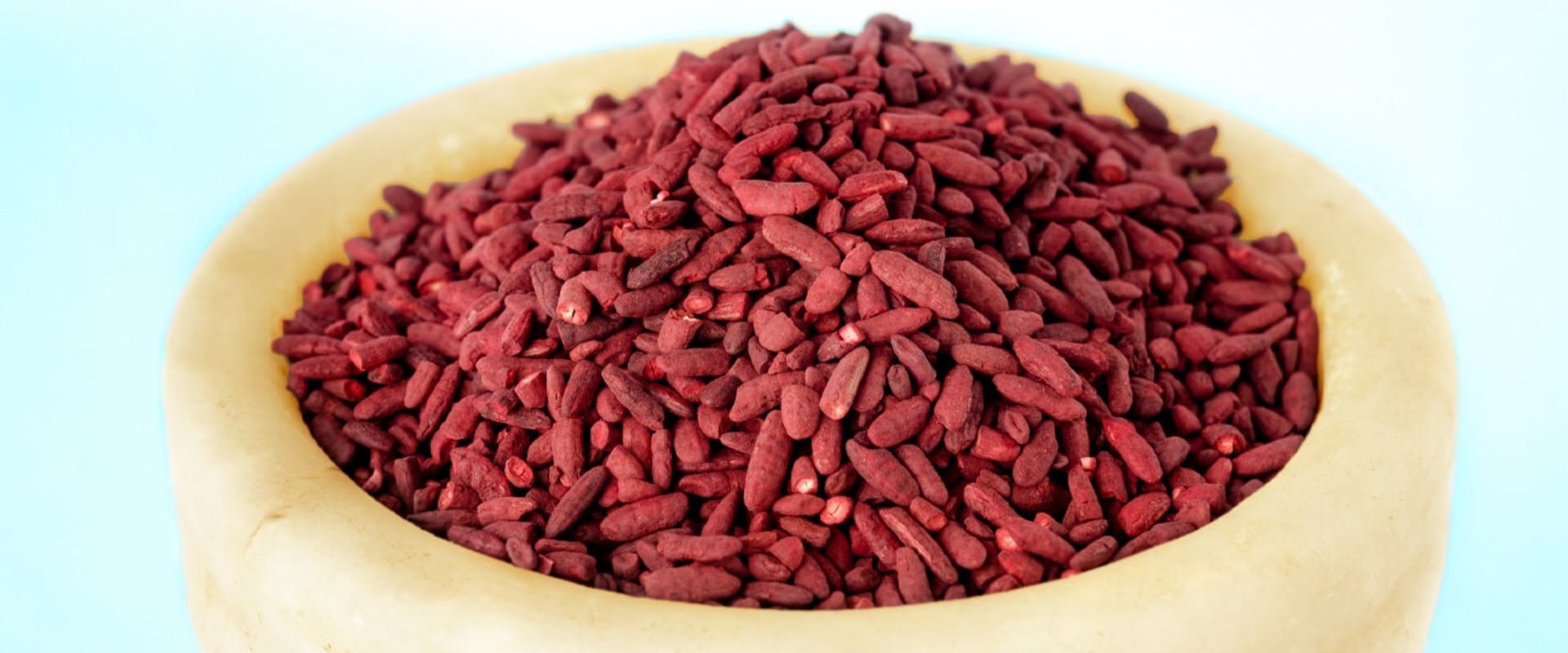
Red yeast rice, a traditional Chinese culinary and medicinal product, has gained significant attention in recent years as a natural alternative for managing cholesterol levels. This unique supplement is made by fermenting rice with a specific type of yeast called Monascus purpureus. Historically, red yeast rice has been utilized in Chinese medicine for centuries, not only as a food preservative and coloring agent but also for its potential health benefits. Its rich history underscores its importance in holistic health practices, particularly in the realm of cardiovascular wellness. As the prevalence of high cholesterol and related cardiovascular issues continues to rise globally, many individuals are seeking natural solutions to support their heart health.
This is where the benefits of red yeast rice come into play. Research suggests that red yeast rice contains naturally occurring compounds known as monacolins, which have been shown to help lower LDL cholesterol levels—often referred to as "bad" cholesterol. This makes it an appealing option for those looking to manage their cholesterol without resorting to pharmaceutical statins. In addition to its cholesterol-lowering properties, red yeast rice is also believed to offer other health benefits, including improved circulation and enhanced metabolic function. However, as with any supplement, it is essential to approach red yeast rice with a well-informed perspective.
Understanding both its potential advantages and the myths that may surround it can empower individuals to make educated decisions about their health. This article aims to delve deeper into the truth about red yeast rice, exploring its benefits while debunking common misconceptions. By shedding light on this ancient remedy, we hope to provide clarity and insight into how red yeast rice can fit into a modern health regimen focused on natural approaches to wellness.
What is Red Yeast Rice?
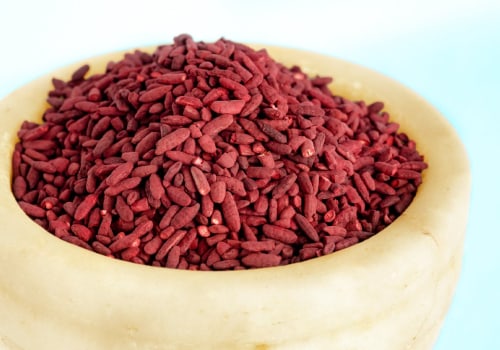
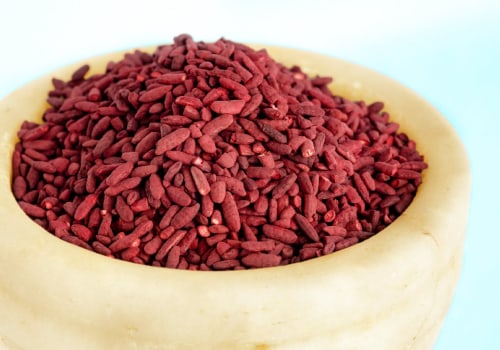
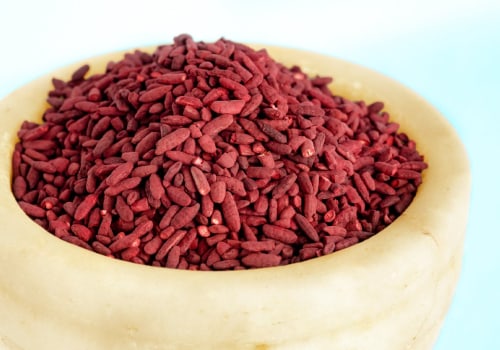
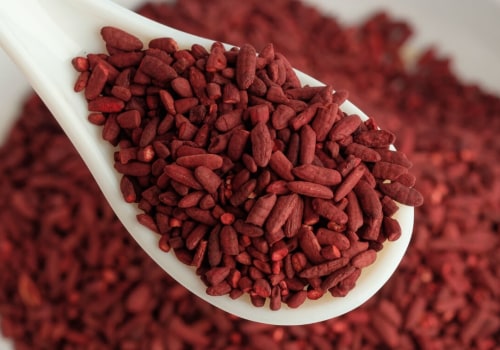
Red yeast rice is a traditional Chinese culinary and medicinal product that has gained popularity in the Western world as a natural supplement for managing cholesterol levels. It is produced by fermenting cooked rice with a specific type of mold known as Monascus purpureus. This fermentation process not only imparts a distinctive red color to the rice but also enhances its nutritional profile. The origins of red yeast rice can be traced back over a thousand years in China, where it has been used not only as a food coloring agent but also for its health benefits.In traditional Chinese medicine, it has been utilized to improve digestion, promote blood circulation, and support heart health. In terms of composition, red yeast rice contains several active compounds, the most notable of which are monacolins. These compounds are similar to the active ingredients found in statin medications, which are commonly prescribed to lower cholesterol levels. The primary monacolin in red yeast rice is monacolin K , which has been shown to inhibit cholesterol synthesis in the liver, thereby helping to reduce overall cholesterol levels in the bloodstream. Aside from monacolin K, red yeast rice also contains other beneficial components such as sterols , isoflavones , and various antioxidants. These compounds work synergistically to enhance cardiovascular health by improving lipid profiles and reducing inflammation. The production of red yeast rice involves several steps:
- Cooking: The rice is first steamed or boiled to prepare it for fermentation.
- Inoculation: After cooking, the rice is inoculated with the Monascus purpureus mold.
-
Fermentation: The inoculated rice is then allowed to ferment under controlled conditions for a specific period, typically ranging from a few days to several weeks.
This process allows the mold to grow and produce monacolins and other beneficial compounds.
- Drying: Once fermentation is complete, the red yeast rice is dried and can be ground into a powder or left in its whole form for use in supplements or culinary applications.
The Benefits of Red Yeast Rice
Red yeast rice has garnered significant attention in recent years, particularly for its potential health benefits related to cholesterol management. This natural supplement, derived from fermented rice, contains compounds known as monacolins, which are similar to the active ingredients found in statin medications. These compounds have been shown to effectively lower levels of low-density lipoprotein (LDL) cholesterol, often referred to as "bad" cholesterol. Numerous studies have highlighted the effectiveness of red yeast rice in managing cholesterol levels. For instance, a meta-analysis published in the American Journal of Cardiology reviewed multiple clinical trials and concluded that red yeast rice supplementation significantly reduced total cholesterol and LDL cholesterol levels in participants.The analysis indicated that individuals taking red yeast rice experienced an average reduction of 20-30% in LDL cholesterol after just a few weeks of consistent use. In addition to its cholesterol-lowering properties, red yeast rice may also offer other cardiovascular benefits. Some research suggests that it can improve overall heart health by enhancing endothelial function, which is crucial for maintaining healthy blood vessels. Improved endothelial function can lead to better circulation and reduced risk of cardiovascular diseases. Moreover, red yeast rice is rich in antioxidants, which help combat oxidative stress in the body. Oxidative stress is linked to various chronic diseases, including heart disease and diabetes.
By incorporating red yeast rice into your diet, you may not only support your cholesterol levels but also promote overall health and well-being. It’s important to note that while red yeast rice can be beneficial, it should be used with caution. The concentration of monacolins can vary significantly between products, and some may contain harmful by-products like citrinin, which can pose health risks. Therefore, it is essential to choose high-quality supplements that have been tested for purity and potency. In summary, the benefits of red yeast rice extend beyond just lowering cholesterol levels. With its potential to enhance heart health and provide antioxidant support, it represents a promising natural alternative for those looking to manage their cholesterol effectively.
However, consulting with a healthcare provider before starting any new supplement regimen is crucial to ensure safety and efficacy.
Debunking Common Myths About Red Yeast Rice
As the popularity of red yeast rice continues to rise, so do the myths and misconceptions surrounding its use. Understanding the truth behind these claims is crucial for anyone considering this natural supplement for cholesterol management.Myth 1: Red Yeast Rice is Completely Safe
While many people view red yeast rice as a natural alternative to statins, it is essential to recognize that it is not without risks. Some individuals may experience side effects similar to those associated with statin medications, including muscle pain, digestive issues, and headaches. Moreover, the presence of monacolin K, the active compound in red yeast rice, can lead to serious interactions with other medications.
Therefore, consulting a healthcare provider before starting any new supplement is vital.
Myth 2: Red Yeast Rice is More Effective than Statins
This misconception stems from the belief that because red yeast rice is a natural product, it must be superior to synthetic medications. However, while some studies suggest that red yeast rice can lower cholesterol levels effectively, it does not necessarily outperform statins in clinical settings. Statins have undergone rigorous testing and are well-studied for their efficacy and safety profiles. In contrast, the variability in monacolin K content in red yeast rice products can lead to inconsistent results.
Myth 3: All Red Yeast Rice Products are Created Equal
Not all red yeast rice supplements are manufactured to the same standards.
The concentration of monacolin K can vary significantly between brands and batches. Some products may contain little to no active ingredient, while others may have excessive amounts that could pose health risks. It is crucial to choose high-quality brands that provide third-party testing results to ensure safety and efficacy.
Myth 4: Red Yeast Rice Has No Side Effects
This myth can be particularly dangerous as it may lead individuals to underestimate the potential risks associated with its use. While many people tolerate red yeast rice well, side effects can occur.
Commonly reported issues include gastrointestinal discomfort and muscle-related symptoms. Additionally, there is a risk of liver damage if taken inappropriately or in high doses. In conclusion, debunking these myths about red yeast rice is essential for making informed health decisions. By understanding the realities of this supplement, individuals can better assess whether it aligns with their health goals and needs.
Potential Side Effects and Risks of Red Yeast Rice
While red yeast rice is often praised for its potential benefits in managing cholesterol levels, it is essential to be aware of the potential side effects and risks associated with its use. Understanding these factors can help individuals make informed decisions about incorporating this supplement into their health regimen. Commonly reported side effects of red yeast rice are generally mild but can vary from person to person.Some of the most frequently experienced adverse reactions include:
- Headaches: Some users report experiencing headaches, which may be attributed to the active compounds in red yeast rice.
- Gastrointestinal issues: Symptoms such as stomach pain, bloating, gas, and heartburn are not uncommon. These digestive disturbances can occur as the body adjusts to the supplement. Symptoms such as stomach pain, bloating, gas, and heartburn are not uncommon. These digestive disturbances can occur as the body adjusts to the supplement.
- Dizziness: A feeling of lightheadedness or dizziness has been noted by some individuals, particularly when starting the supplement.
- Muscle pain and weakness: Similar to statin medications, red yeast rice may lead to muscle aches or weakness in some users.
This similarity raises the possibility of increased risk for side effects when taken alongside other cholesterol-lowering medications or certain drugs that affect liver function. Moreover, the fermentation process used to produce red yeast rice can lead to the presence of a harmful by-product known as citrinin. Citrinin is a mycotoxin that can have adverse effects on kidney health. Therefore, it is crucial to select high-quality products that have been tested for citrinin levels to minimize this risk. Before starting any new supplement, including red yeast rice, it is advisable to consult with a healthcare provider. This is especially important for individuals who are pregnant, nursing, or have pre-existing health conditions.
A healthcare professional can help assess the safety of red yeast rice based on individual health profiles and current medications. In summary, while red yeast rice may offer benefits for cholesterol management, it is essential to remain vigilant about its potential side effects and interactions. By being informed and consulting with healthcare professionals, individuals can safely navigate the use of this supplement.
How to Choose a Quality Red Yeast Rice Supplement
When it comes to incorporating red yeast rice into your health regimen, selecting a high-quality supplement is crucial for ensuring safety and effectiveness. With the market flooded with various products, understanding how to choose the right one can make a significant difference in your health outcomes.1.Look for Third-Party Testing
One of the most important factors to consider is whether the supplement has undergone third-party testing. This independent verification can provide assurance that the product contains the stated amount of monacolin K, the active compound responsible for lowering cholesterol levels.
Reputable brands often display certifications from recognized testing organizations on their labels, which can help you make an informed choice.
2.Check for Citrinin Levels
Citrinin is a potentially harmful by-product that can be produced during the fermentation process of red yeast rice. High levels of citrinin can pose health risks, including kidney damage. Therefore, it is essential to choose products that have been tested for citrinin levels and are certified to be free from this toxin. Look for brands that provide transparency about their manufacturing processes and testing results.
3.Review Ingredient Lists
Always read the ingredient list carefully.
A quality red yeast rice supplement should contain minimal additives or fillers. Ideally, it should consist primarily of red yeast rice extract without unnecessary ingredients that could dilute its effectiveness or introduce potential allergens.
4.Consider Dosage and Formulation
The dosage of monacolin K can vary significantly between products. It’s important to choose a supplement that provides an effective dose based on clinical studies, typically around 600 to 1200 mg per day. Additionally, consider whether you prefer capsules, tablets, or powder forms, as this can affect your compliance and ease of use.
5.Research Brand Reputation
Before making a purchase, take some time to research the brand's reputation.
Look for customer reviews and testimonials to gauge the experiences of others who have used their products. Brands with a long-standing history in the market and positive feedback are often more reliable. By following these guidelines, you can confidently select a quality red yeast rice supplement that aligns with your health goals while minimizing potential risks associated with inferior products.
Consulting with Healthcare Providers
Before incorporating red yeast rice into your health regimen, it is crucial to consult with a healthcare provider. This step is essential for ensuring that the supplement aligns with your individual health needs and circumstances. Here are some key considerations and questions to discuss during your consultation:-
Current Medications: Inform your doctor about any medications you are currently taking.
Red yeast rice can interact with certain drugs, particularly those prescribed for cholesterol management, such as statins. Understanding these interactions can help prevent adverse effects.
- Existing Health Conditions: If you have pre-existing health conditions, such as liver disease or kidney issues, it’s vital to discuss these with your healthcare provider. They can assess whether red yeast rice is safe for you based on your medical history.
- Dosage Recommendations: Ask your doctor about the appropriate dosage of red yeast rice for your specific health goals. Dosage can vary based on individual factors, including age, weight, and overall health.
-
Monitoring Health Parameters: Inquire about how often you should have your cholesterol levels and liver function tested while taking red yeast rice.
Regular monitoring can help ensure that the supplement is working effectively without causing harm.
- Alternative Options: Discuss other potential alternatives to red yeast rice that may be suitable for managing cholesterol levels or improving heart health. Your healthcare provider may suggest lifestyle changes or other supplements that could be beneficial.
By addressing these questions and considerations, you can make informed decisions that align with your wellness goals.
Conclusion: The Role of Red Yeast Rice in Health Management
In summary, red yeast rice has emerged as a significant player in the realm of natural health supplements, particularly for those seeking to manage their cholesterol levels. Its long-standing use in traditional Chinese medicine underscores its potential benefits, which include:- Cholesterol Reduction: Numerous studies have indicated that red yeast rice can effectively lower LDL cholesterol levels, making it a viable alternative for individuals who may not tolerate statin medications.
- Heart Health: By improving lipid profiles, red yeast rice may contribute to overall cardiovascular health, reducing the risk of heart disease.
- Natural Composition: As a natural product, it appeals to those looking for holistic approaches to health management.
- Consult Healthcare Providers: Before incorporating red yeast rice into your regimen, it is essential to discuss it with your healthcare provider, especially if you are currently taking other medications or have underlying health conditions.
-
Quality Matters: Not all red yeast rice products are created equal.
Choose reputable brands that provide transparency regarding their ingredients and have been tested for safety and efficacy.
- Monitor for Side Effects: While many individuals tolerate red yeast rice well, be aware of potential side effects such as digestive discomfort or muscle pain. Regular monitoring can help mitigate risks.